

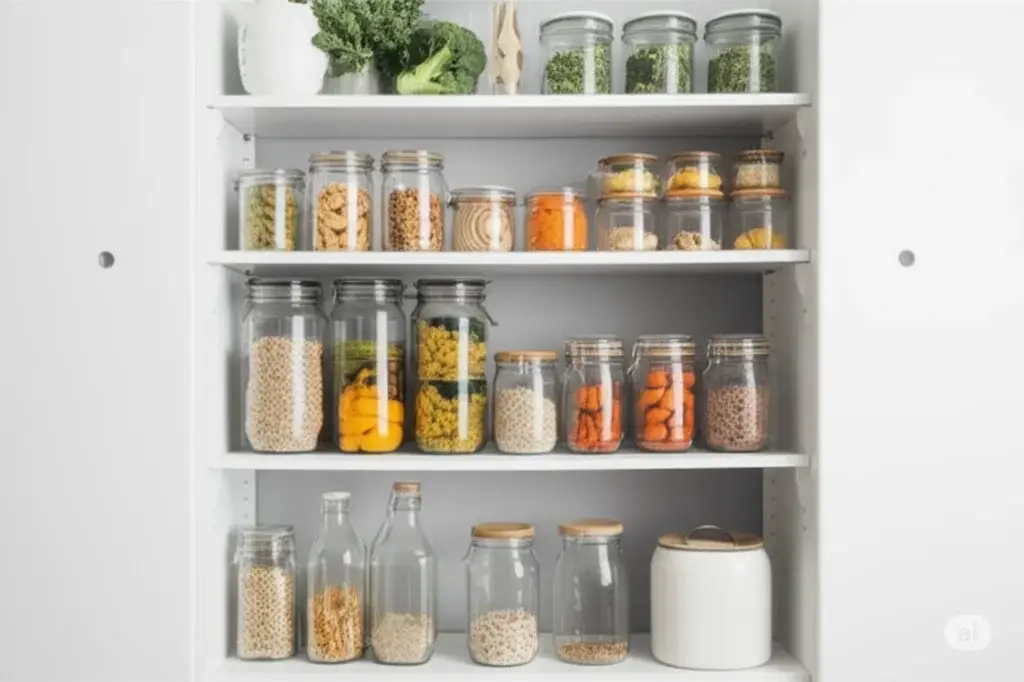
Introduction:
- Start with an engaging hook about the growing importance of sustainability and the impact of kitchen waste on the environment.
- Briefly introduce the concept of a zero-waste kitchen and its benefits (environmental, financial, health).
- State the purpose of the article: to provide a comprehensive, actionable guide for achieving a zero-waste kitchen by 2026 using a room-by-room approach.
- Emphasize that this is a journey and every small step counts.
Why Aim for a Zero-Waste Kitchen by 2026?
- Discuss the urgency of addressing waste issues.
- Highlight the potential advancements in sustainable products and practices expected by 2026.
- Frame it as a realistic and achievable goal with proper planning.
The Ultimate Zero-Waste Kitchen Checklist: Room by Room
- The Pantry:
- Focus on bulk buying and bringing your own containers.
- Emphasize proper food storage to prevent spoilage.
- Discuss decanting into reusable jars and labeling.
- Suggest strategies for using up leftovers and minimizing food waste at the source.
- Recommend alternatives to single-use packaging for pantry staples.
- The Refrigerator:
- Tips for organizing the fridge to prevent food from being forgotten.
- Best practices for storing different types of food to maximize freshness.
- Ideas for reviving wilted vegetables and using food scraps.
- Alternatives to plastic wrap and single-use containers (beeswax wraps, reusable silicone lids).
- The Sink and Dishwashing Area:
- Promote eco-friendly dish soap and natural cleaning products.
- Encourage using reusable sponges, cloths, and brushes.
- Discuss air-drying dishes or using a sustainable dish rack.
- Highlight the importance of proper recycling of glass, metal, and certain plastics.
- The Cooking and Baking Area:
- Suggest durable, long-lasting cookware to avoid frequent replacements.
- Recommend reusable baking mats and silicone molds.
- Encourage mindful meal planning to reduce food waste.
- Explore composting options for food scraps generated during cooking.
- The Waste Disposal Area:
- Emphasize the importance of a well-organized system for recycling and composting.
- Provide information on different composting methods (indoor, outdoor).
- Offer tips for reducing the amount of waste that ends up in the landfill.
Beyond the Basics: Taking Your Zero-Waste Kitchen Further
- Consider water-saving devices for your sink and dishwasher.
- Explore energy-efficient appliances.
- Think about sourcing local and seasonal produce.
- Get creative with repurposing food scraps (e.g., vegetable broth).
- Engage with the zero-waste community for inspiration and support.
Conclusion:
- Reiterate the benefits of a zero-waste kitchen.
- Encourage readers to start implementing the checklist gradually.
- End with an inspiring message about contributing to a more sustainable future.

