

What Is the Circular Economy?
The circular economy is a sustainable model designed to eliminate waste by reusing, repairing, refurbishing, and recycling products for as long as possible. Unlike the traditional linear economy (make, use, dispose), a circular system keeps resources in use, reduces environmental impact, and promotes long-term sustainability.
Adopting a circular lifestyle at home means making mindful choices—from purchasing durable goods to repurposing items creatively. Here’s how you can embrace this eco-friendly approach.
Why the Circular Economy Matters for Households
Every year, millions of tons of waste end up in landfills, polluting the environment and depleting natural resources. By shifting to a regenerative home model, you can:
- Reduce waste and carbon footprint
- Save money by extending product life cycles
- Support ethical and sustainable brands
- Encourage innovation in recycling and upcycling
How to Practice the Circular Economy at Home
1. Rethink Your Purchases
Before buying new items, ask:
- Do I really need this?
- Can I borrow, rent, or buy it secondhand?
- Is it made from sustainable or recycled materials?
Opt for durable, repairable products over disposable ones.
2. Extend Product Life Cycles
- Repair instead of replace – Fix broken appliances, furniture, and electronics.
- Donate or sell – Give unused items a second life through thrift stores or online marketplaces.
- Refill and reuse – Choose refillable containers for cleaning supplies, toiletries, and pantry staples.
3. Upcycling Ideas for a Zero-Waste Home
Turn old items into something new and useful:
- Convert glass jars into storage containers or planters.
- Repurpose wooden pallets into shelves or garden furniture.
- Transform old clothing into reusable shopping bags or cleaning rags.
4. Compost Organic Waste
Food scraps and yard waste make up nearly 30% of household trash. Composting enriches soil and reduces landfill waste.
5. Choose Sustainable Energy & Water Solutions
- Install energy-efficient appliances.
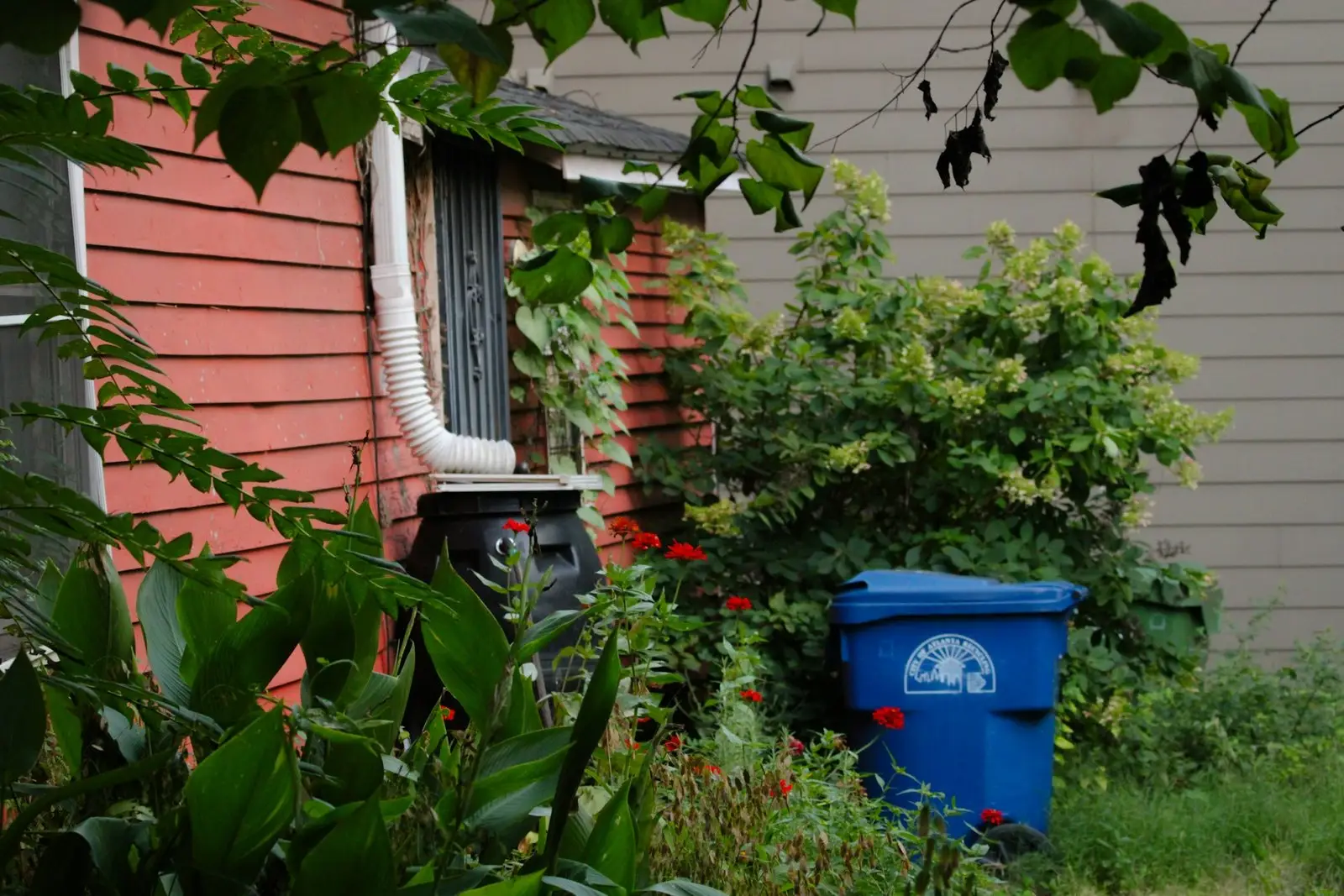
- Harvest rainwater for gardening.
- Switch to solar-powered devices where possible.
The Future of Sustainable Consumption
Governments and businesses are increasingly adopting circular economy principles, but change starts at home. By embracing a circular lifestyle, you contribute to a healthier planet while saving money and living more intentionally.
Final Thoughts
Transitioning to a circular economy at home doesn’t require drastic changes—small, consistent steps make a big difference. Start with one habit, like upcycling or composting, and gradually incorporate more sustainable practices.
Ready to reduce waste and live sustainably? Begin your regenerative home journey today!

